wpe390ff8f.png
wp85d41376.png
wp5b916cac.png
wp691ba0f5.png
wp114d0f93.png
wp1b6a46bd.png
wpc414134e.png
wp9c342016.png
wp0ade8bcf.png
wp13f01c2a.png
wp4780d7ed.png

Sculpture

I really do stone carving as against creating something from clay or similar material.

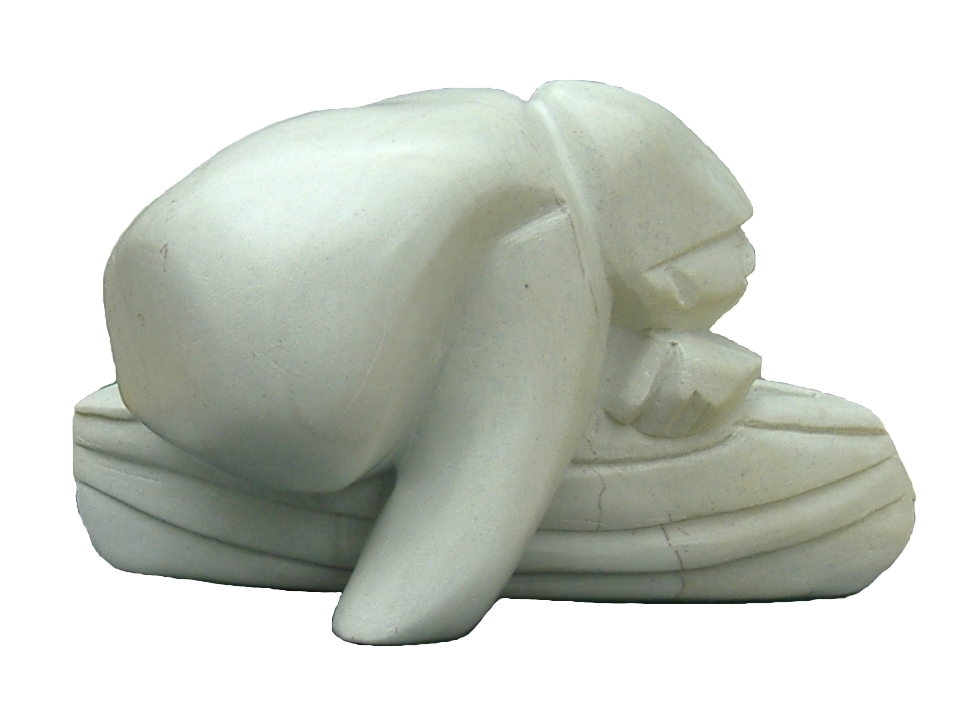
So far I have used soapstone. The scientific name for soapstone is talc-chlorite slate, or steatite (from the Greek stear or steatos meaning “grease”). It belongs to a family of greenstones. When polished, soapstone looks remarkably like marble, yet it is among the softest of all solid materials. On the Mohs scale, the standard hardness scale for minerals, talc is graded 1, with diamonds, the hardest mineral, numbered 10.

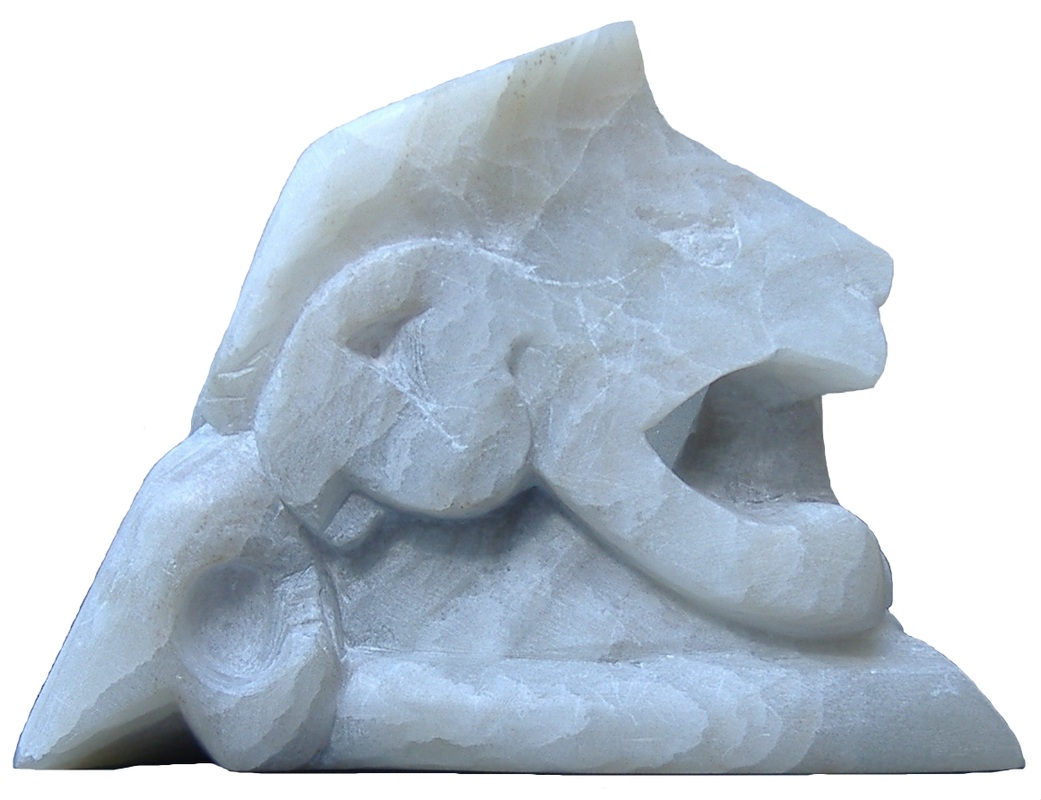
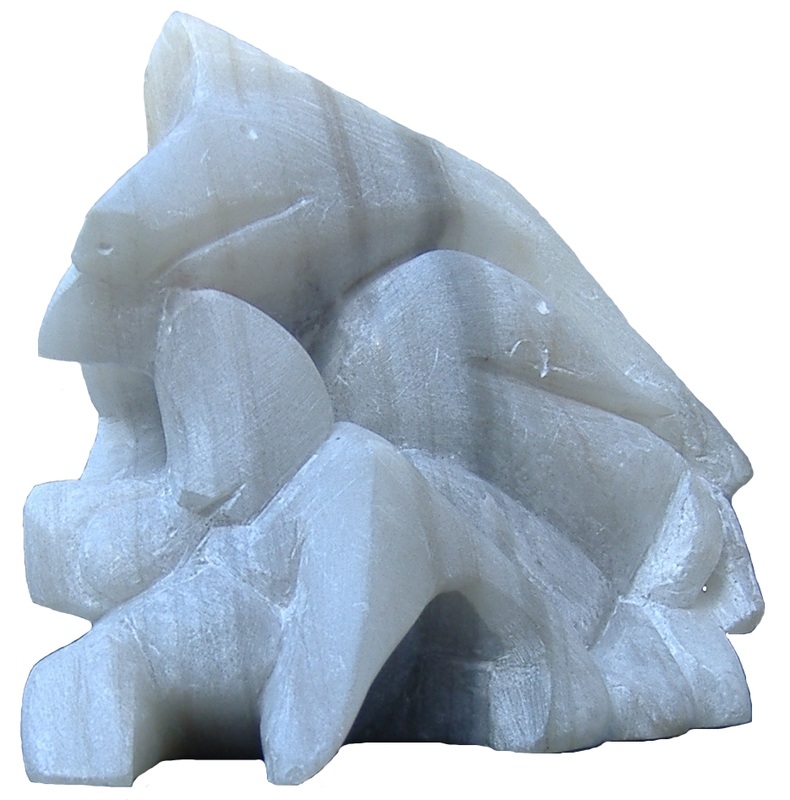
I have also used Anhydrite, which is a relatively common sedimentary mineral that forms massive rock layers. It does not form directly, but is the result of dewatering of the rock forming mineral Gypsum (CaSO4-2H2O). This loss of water produces a reduction in volume of the rock layer and can cause the formation of caverns as the rock shrinks. Good mineral specimens of Anhydrite were extremely rare despite its common occurrence.

Mini Menagerie - view 1 (soapstone)